
The home and kitchen category generates over $30 billion in annual sales on Amazon, yet most sellers struggle to capture their share of this lucrative market. Competition intensifies daily as thousands of new products flood the platform. Meanwhile, customers scroll past poorly designed listings without a second thought. Your product might be exceptional, but if your Amazon home listings don’t immediately grab attention and communicate value, you’re leaving money on the table.
Design quality separates successful sellers from those who barely break even. In 2025, Amazon’s algorithm favors listings with professional, high-converting visual content. Customers expect lifestyle imagery, detailed infographics, and immersive brand experiences. This guide reveals exactly how to create Amazon home listings that stand out, build trust, and drive consistent sales. You’ll discover proven design strategies specifically tailored for kitchen gadgets, cookware, home decor, and organizational products. By the end, you’ll understand why professional design isn’t an expense, it’s an investment that pays for itself many times over.
Table Of Contents
- Why Amazon Home Listings Require a Different Approach
- Essential Visual Elements for High-Converting Amazon Home Listings
- Category-Specific Design Strategies
- A+ Content and Brand Storefront Design for Home Sellers
- Technical Optimization for Amazon Home Listings
- Why Professional Amazon Design Services Outperform DIY
- Implementation Roadmap: Upgrading Your Amazon Home Listings
- Your Next Steps: From Good Listings to Great Sales
- Frequently Asked Questions
Why Amazon Home Listings Require a Different Approach
Home products sell differently than electronics or clothing. Customers need to visualize how your kitchen tool will look on their countertop or how your wall art will complement their living room. They’re not just buying functionality, they’re buying an aesthetic experience and emotional satisfaction. A beautiful serving platter isn’t just about holding food; it’s about impressing dinner guests and feeling proud of their tablescape. Similarly, decorative items must resonate with personal style preferences and existing home decor themes.
This emotional component means your Amazon home listings must do more than list features. They need to tell a visual story that connects with aspirational lifestyles. Your images should transport shoppers into beautifully styled spaces where they can imagine themselves cooking, entertaining, and living. Competition in home categories is fierce, with dozens of similar products vying for attention. Premium presentation signals quality and builds the trust necessary for purchase decisions, especially at higher price points.
2025 Amazon Algorithm Updates for Home Categories
Amazon’s A9 algorithm has evolved significantly to prioritize visual content quality. The platform now uses advanced image recognition technology to score listing images based on clarity, professionalism, and relevance. Listings with high-quality lifestyle photography and comprehensive infographics receive preferential ranking in search results. Additionally, mobile-first indexing means your images must perform flawlessly on smartphone screens, where over 70% of Amazon shopping now occurs.
The algorithm also rewards listings that keep customers engaged longer. Rich visual content, including A+ Content, Brand Stores, and product videos, reduces bounce rates and increases time on page. These engagement metrics directly influence your organic ranking position. Furthermore, Amazon increasingly favors brands that demonstrate cohesive visual identity across their entire catalog. Consistency signals professionalism and encourages customers to explore additional products within your brand ecosystem.
Essential Visual Elements for High-Converting Amazon Home Listings
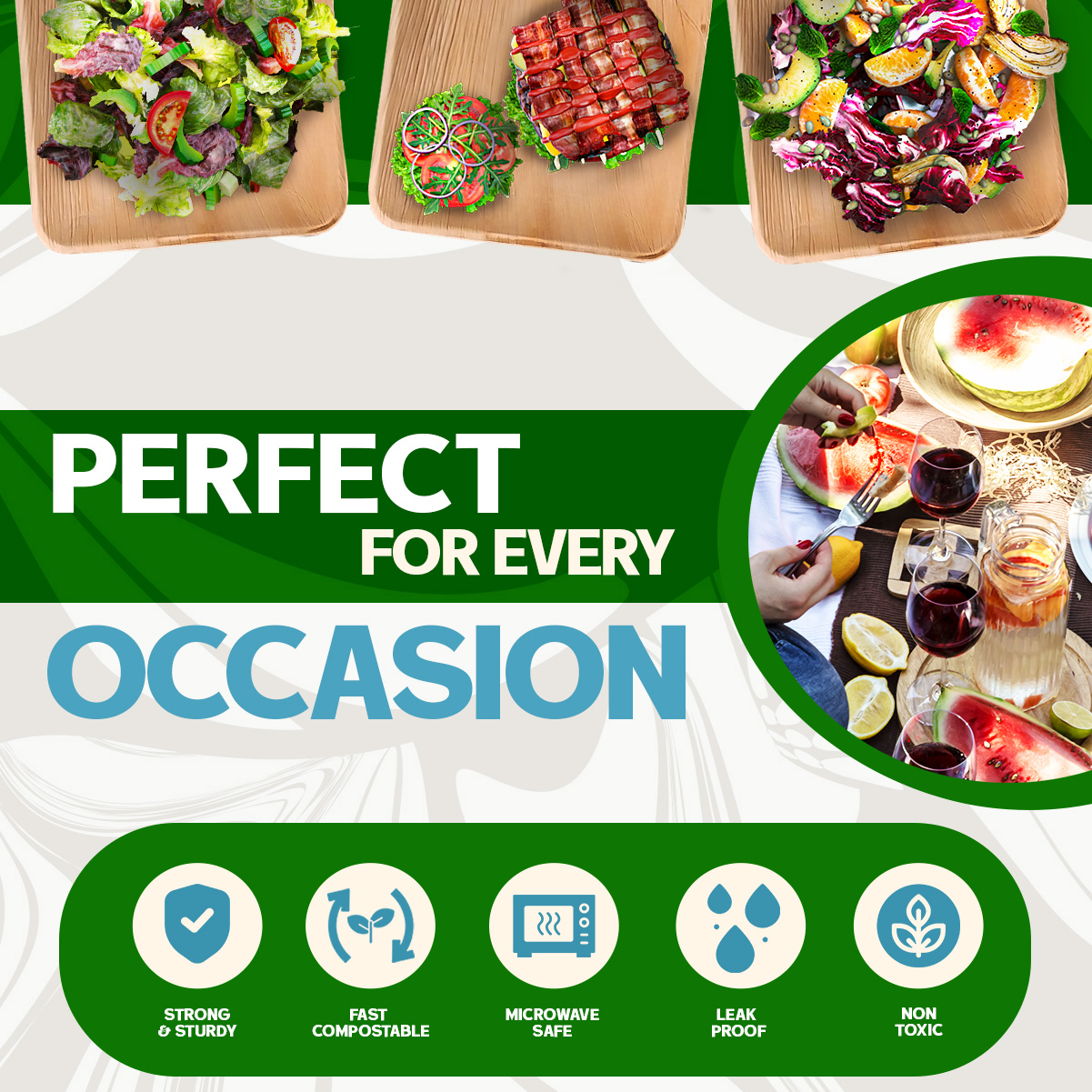
Your main image determines whether shoppers click on your listing or scroll past. Amazon requires a pure white background (RGB 255, 255, 255) for all main images, and your product must fill at least 85% of the image frame. Professional lighting eliminates harsh shadows while adding subtle dimension that makes products appear three-dimensional and premium. Sharp focus throughout the entire product from front to back demonstrates quality and allows customers to examine details closely.
Consider photographing your product at a slight angle rather than straight-on to add visual interest. For kitchen products, this might mean showing a pan at a 45-degree angle to display both the cooking surface and the handle. For decor items, position them to highlight unique design elements or textures. Test multiple main images through Amazon’s A/B testing tools to identify which angle generates the highest click-through rate for your specific product.
Lifestyle Images That Sell
Lifestyle photography transforms abstract products into tangible solutions for real life. Show your kitchen gadget in use preparing an appetizing meal, not sitting empty on a counter. Display your decorative bowl filled with fresh fruit on a beautifully set dining table. These contextual images help customers envision the product enhancing their own homes and daily routines.
Scale reference remains critically important for home products. Include common objects like smartphones, coffee mugs, or standard dinnerware to communicate size accurately. Color accuracy matters even more for home decor, misrepresented colors lead to returns and negative reviews. Photograph in natural light or use color-corrected artificial lighting, then verify colors on multiple devices before finalizing images. Emotional storytelling through lifestyle imagery creates the aspirational connection that drives purchase decisions.
Infographic Images

Infographic images communicate key features and benefits instantly without requiring customers to read lengthy bullet points. These visual tools transform complex information into digestible, scannable content that drives conversions:
- Overlay clean, readable text on product images highlighting dimensions, materials, unique features, and use cases
- Use arrows and callouts to direct attention to specific product elements like non-slip bases, measurement markings, or ergonomic handles
- Design for mobile viewing where text must remain legible on small screens
- Maintain high contrast between text and background, typically using white or colored text boxes with clean sans-serif fonts
- Limit each infographic to 3-5 key points to avoid overwhelming viewers
- Apply visual hierarchy that guides the eye through information in order of importance, ensuring customers absorb your most compelling selling points first
3D Renders and 360º Views
High-quality 3D renders provide a cost-effective alternative when photographing every product variation becomes impractical. They’re particularly valuable for products offered in numerous color options or for visualizing products that don’t yet exist physically. Modern rendering technology creates photorealistic images indistinguishable from traditional photography.
Interactive 360º views allow customers to examine products from every angle, simulating the in-store experience of picking up and rotating items. This feature significantly reduces purchase hesitation for home products where finish quality and construction details matter. While not suitable as main images, 360º videos serve as powerful secondary assets that increase conversion rates and reduce return rates.
Category-Specific Design Strategies
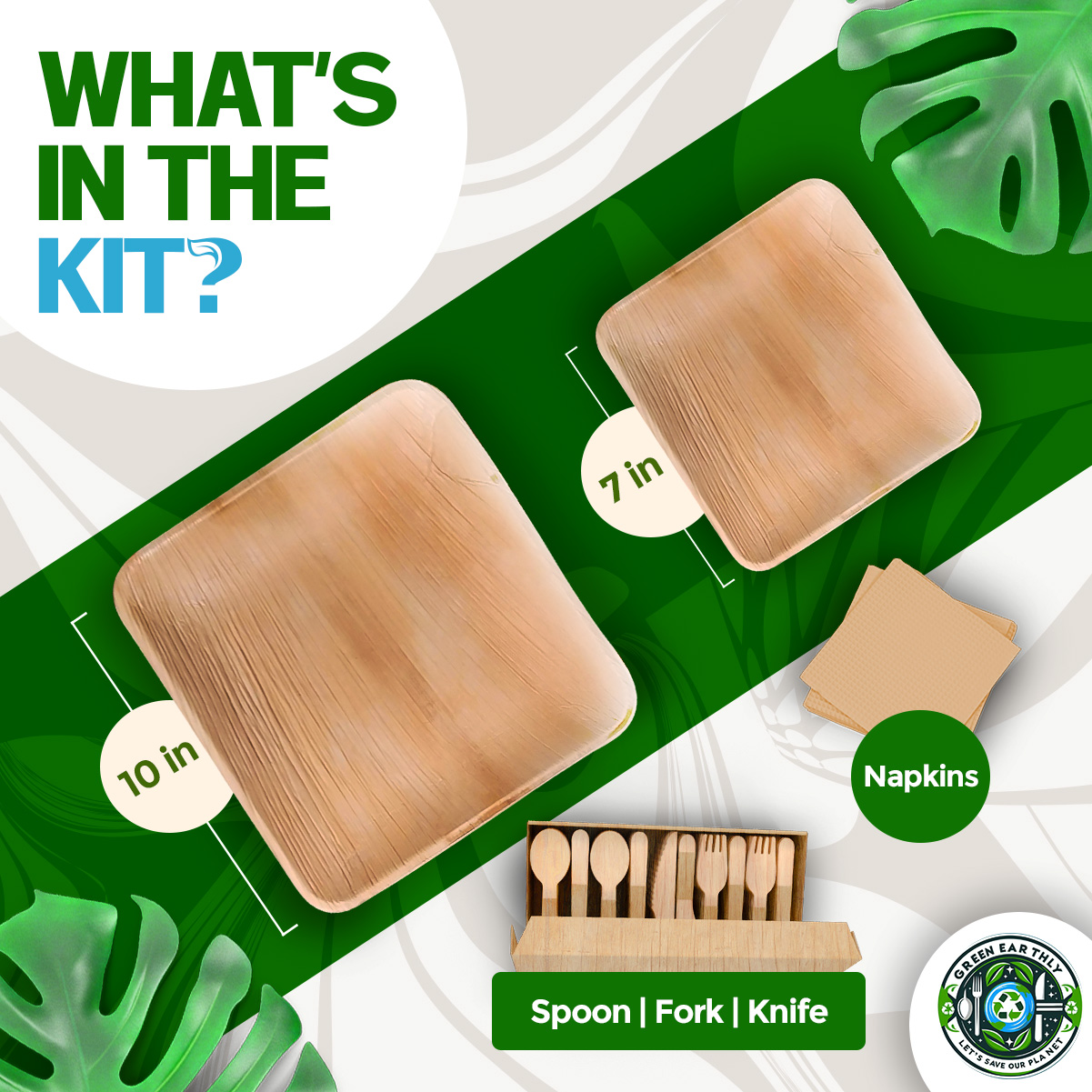
Different home product categories require tailored visual approaches to maximize conversion rates. Understanding these category-specific nuances helps you create Amazon home listings that resonate with your target audience and clearly communicate product value.
Effective category-specific design strategies include:
- Kitchen action shots. Show items solving real cooking challenges like omelets sliding from non-stick pans or knives mid-chop with fresh vegetables
- Material and size clarity. Capture close-ups of stainless steel finishes, wooden grain, and silicone flexibility; position products next to familiar items for scale
- Color psychology application. Use warm tones for food-related items to stimulate appetite; cool blues and grays suggest modern professionalism for gadgets
- Multi-style home decor staging. Display products in modern minimalist, cozy farmhouse, and elegant traditional settings to reach diverse customers
- Lighting and texture variations. Photograph decor in natural light, evening lamplight, and daylight; use macro photography to reveal fabric weaves and finishes
- Seasonal emotional triggers. Feature holiday decor in festive settings and summer items in bright, airy spaces to connect with buying motivations
- Organization transformations. Create dramatic before-and-after shots showing cluttered spaces transformed into beautifully organized areas
- Capacity and space-saving proof. Fill organizers with real items to answer “Will this fit?” and compare footprints to traditional alternatives
These category-specific approaches transform generic product photos into powerful selling tools that speak directly to customer needs. Implementing these strategies positions your Amazon home listings ahead of competitors still using one-size-fits-all photography approaches.
A+ Content and Brand Storefront Design for Home Sellers

A+ Content transforms basic product pages into immersive brand experiences. Comparison tables elegantly present product line differences, helping customers identify the perfect option for their needs. Lifestyle image galleries showcase products in aspirational settings without cluttering the main listing images. Brand story modules build emotional connections by sharing your company’s mission, values, and commitment to quality craftsmanship.
Technical specifications gain visual appeal through thoughtful formatting and hierarchy. Instead of dense specification blocks, create clean layouts with icons, dimensional diagrams, and highlighted key features. This approach makes technical information accessible and scannable. Studies consistently show that listings with A+ Content achieve 3-10% higher conversion rates than those without, making this investment particularly worthwhile for home products where customers scrutinize details carefully.
Brand Storefront Architecture
Your Amazon Brand Store serves as your brand’s home base on the platform. Organize category pages logically, separate sections for kitchen tools, cookware, and dining accessories, or for wall art, decorative accents, and textiles. Cohesive visual aesthetics across all products signal professionalism and encourage customers to explore your full catalog rather than purchasing a single item.
Shoppable lifestyle inspiration pages elevate the shopping experience beyond transactional. Create room-styled pages showing multiple products working together, a complete table setting or fully accessorized kitchen countertop. These curated collections inspire larger basket sizes while helping customers visualize coordinated looks. Seasonal collections and bundled offerings capitalize on timely shopping motivations around holidays, back-to-school, or spring refresh periods.
Video Content Integration

Product demonstration videos answer questions more effectively than text or images alone. Show your kitchen gadget in action, demonstrating ease of use and impressive results. Videos humanize products and build trust through transparency, customers see exactly what they’re getting. Amazon’s algorithm rewards listings with video content through improved search placement.
Lifestyle compilation videos set aspirational moods while showcasing multiple use cases. A 30-second video might show your serving platter at a dinner party, during afternoon snacks, and at a holiday gathering. Installation and assembly guide videos preemptively address customer concerns, reducing support inquiries and negative reviews from frustrated buyers. Keep videos concise 15 to 60 seconds typically performs best on Amazon.
Technical Optimization for Amazon Home Listings

Amazon mandates specific technical requirements that significantly impact listing performance. Upload images in JPEG or PNG formats for optimal compatibility and quality. Minimum dimensions of 1000 pixels on the longest side enable zoom functionality, but 2000+ pixels delivers noticeably sharper, more professional results. Zoom capability increases customer confidence and reduces return rates for home products where details matter.
Balance file size optimization with image quality, compress files to load quickly without introducing visible artifacts. Slow-loading images frustrate mobile shoppers and increase bounce rates, harming your organic ranking. Use the sRGB color space for consistent color appearance across devices and browsers. Test your images on various devices before uploading to ensure they appear as intended everywhere.
Alt Text and Backend Keywords

Image file naming and alt text create hidden keyword opportunities that improve search visibility. Name files descriptively: “stainless-steel-mixing-bowls-set-kitchen.jpg” rather than “IMG_001.jpg.” Amazon indexes this information, contributing to your listing’s relevance for related searches. Alt text serves dual purposes, improving accessibility for visually impaired customers while adding keyword relevance.
Backend search terms complement image optimization. Include relevant keywords that don’t naturally fit in your title or bullets but describe your product accurately. For home products, consider seasonal terms, material descriptors, style adjectives, and alternative product names customers might search. Avoid keyword stuffing, focus on genuinely relevant terms that help customers discover your product.
Mobile Optimization
Infographic text readability becomes challenging on mobile. Use larger fonts than seem necessary on desktop, maintain high contrast, and limit text quantity per image. Simple, bold designs translate better to mobile than complex, information-dense graphics. Consider creating mobile-specific image variations if Amazon’s platform allows, or optimize for mobile as your primary design target since it represents your largest audience.
Compliance and Guidelines
Intellectual property considerations matter enormously. Never use copyrighted images from other brands or stock photos that other sellers might also use. Unique photography differentiates your brand and prevents legal issues. For home decor featuring artwork or licensed designs, ensure you have proper rights to photograph and sell these items. When in doubt, consult Amazon’s image guidelines documentation or work with professionals who maintain current knowledge of all requirements.
Why Professional Amazon Design Services Outperform DIY

DIY product photography seems economical initially, but hidden costs quickly accumulate. Your time has value, hours spent learning photography, editing software, and styling consume time better spent sourcing products or scaling your business. Amateur results deliver amateur sales performance, and the conversion rate difference between professional and DIY listings often exceeds 30%. This translates directly to tens of thousands in lost revenue annually for most sellers.
The learning curve for professional-quality Amazon content extends far beyond basic photography skills. You need expertise in product styling, lighting techniques, image editing, Amazon’s technical requirements, and conversion-focused design principles. Purchasing equipment cameras, lenses, lighting, backdrops, props that represents significant capital investment. Even after investing this time and money, most sellers still produce work noticeably inferior to agency-created content.
What Professional Agencies Bring to the Table
Specialized Amazon expertise separates professional agencies from general photographers or designers. Agencies understand platform-specific requirements, image dimension optimization, and what visual elements actually drive conversions in the Amazon marketplace after analyzing thousands of successful listings. They maintain design consistency across your entire catalog through style guides ensuring cohesive aesthetics, consistent lighting, backgrounds, styling approaches, and brand elements that strengthen brand recognition and perceived quality. Data-driven design decisions leverage A/B testing insights and industry benchmarks rather than subjective preferences, while staying current with 2025 visual trends to keep your listings competitive. Technical proficiency guarantees proper file formats, optimization, and compliance with all Amazon guidelines, preventing costly listing suppressions and ensuring higher-performing assets from the very first draft.
Introducing FBA Creatives: Premium Design at Competitive Pricing
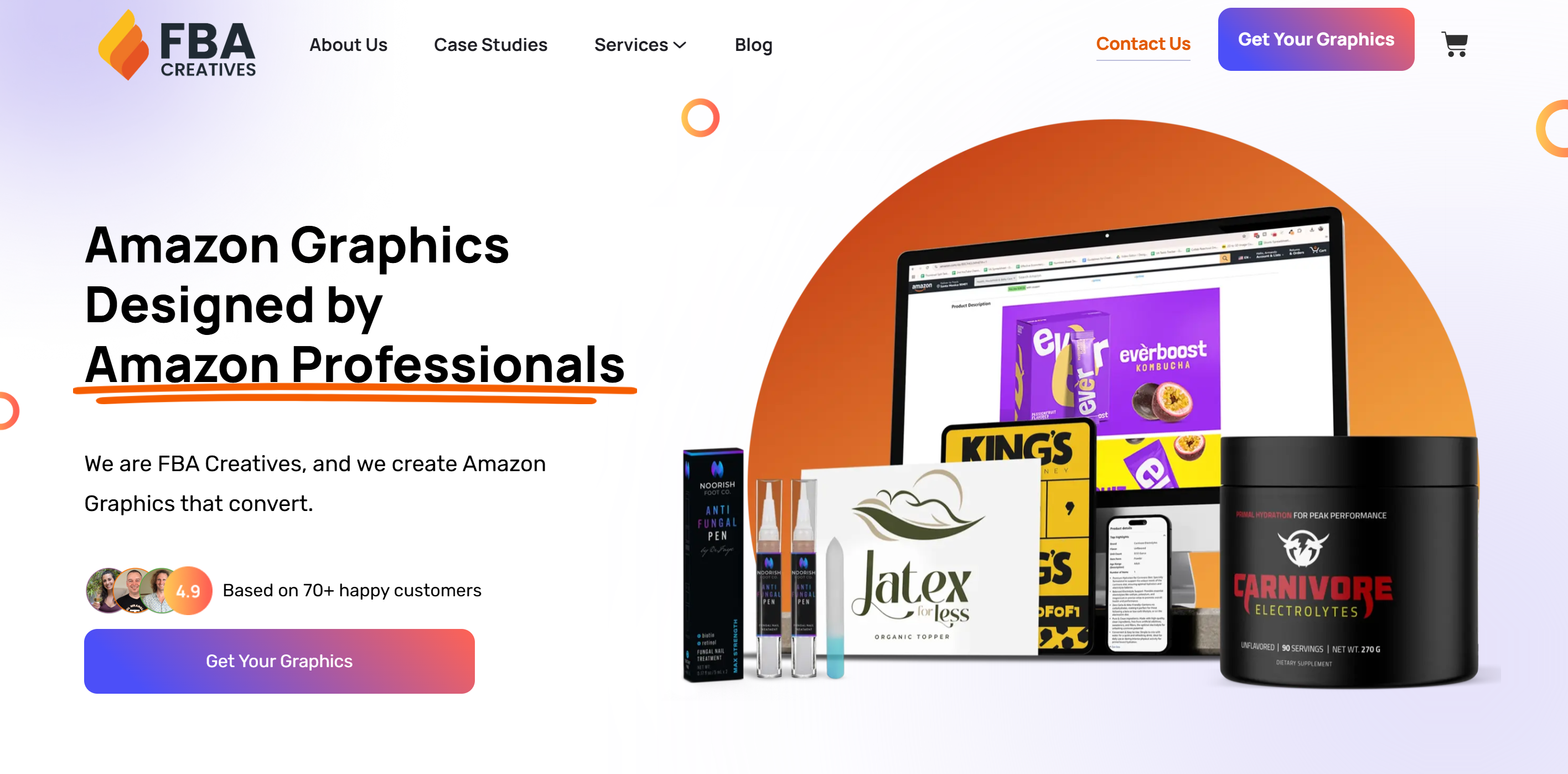
FBA Creatives delivers comprehensive Amazon design services specifically engineered for home and kitchen sellers seeking maximum ROI. Their full-service approach handles every visual asset your listing needs: custom product photography, photorealistic 3D renders when appropriate, complete A+ Content design, stunning Amazon Brand Storefront creation, packaging design that drives brand recognition, and engaging product videos in lifestyle, infographic, and 360º formats. Every asset gets tailored precisely to your product, niche, and target audience while maintaining perfect alignment with Amazon’s latest guidelines and best practices.
Quality commitment sets FBA Creatives apart, their designs remain more premium, polished, and performance-focused than anything else available in the market. Despite this superior quality, they proudly offer the most competitive prices in the industry without compromising standards. Client-centric guarantees eliminate all risk: receive your first draft within 7 business days, request unlimited revisions until you’re 100% satisfied, enjoy a no-questions-asked money-back guarantee if you’re unhappy, and access 24/7 email support whenever questions arise. This risk-free, efficient, results-driven partnership allows you to focus on business growth while experts handle the visual elements that drive sales.
Implementation Roadmap: Upgrading Your Amazon Home Listings
Begin by analyzing conversion rates across your catalog to identify underperformers requiring immediate attention. Compare your conversion rate to category averages, home products typically convert between 10-15%, and anything below 8% signals design problems. Objectively assess your current image quality against top competitors in your niche. Screenshot their best-performing listings and compare them side-by-side with yours, noting specific differences in photography quality, lifestyle staging, and information presentation.
Review customer questions and negative reviews for patterns revealing information gaps your images should address. If customers frequently ask about dimensions, your current images fail to communicate size clearly. Questions about materials or construction indicate need for detail shots. This audit phase provides data-driven insights guiding your redesign priorities and ensures improvements address actual customer needs.
Prioritization Strategy
Start upgrading your best-selling products first to maximize immediate ROI. A 20% conversion improvement on a product generating 100 sales monthly delivers far greater revenue impact than the same improvement on a product selling 10 units. After addressing top performers, tackle your worst-performing listings, products with good traffic but poor conversion likely suffer from design issues rather than product-market fit problems.
Consider a category-by-category rollout approach for larger catalogs. Complete all kitchen gadgets before moving to cookware, or finish all wall art before addressing decorative accents. This focused approach maintains consistency within categories and allows you to measure performance improvements accurately before expanding the redesign effort. Budget constraints might necessitate phased implementation, plan a 3-6 month timeline rather than attempting everything simultaneously.
Testing and Iteration
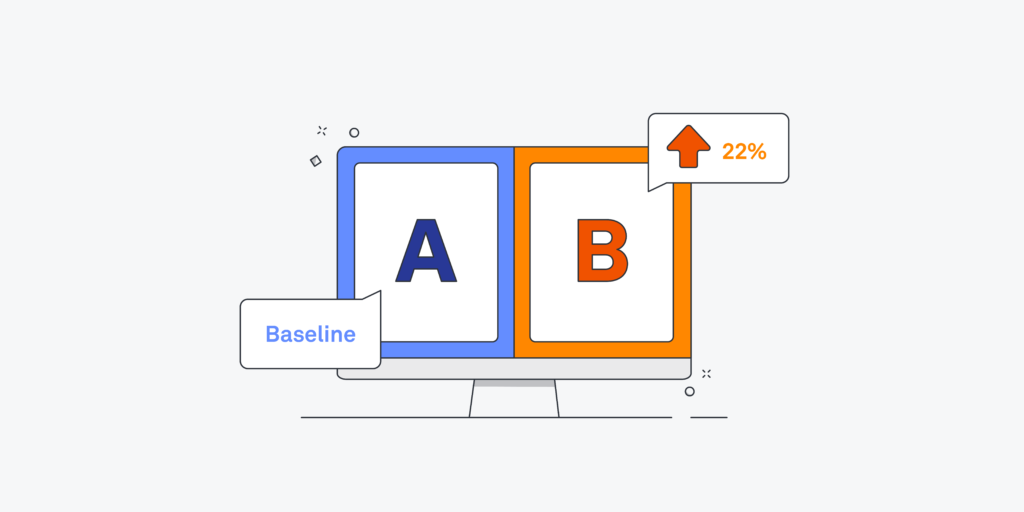
A/B test new main images against your current ones using Amazon’s built-in experimentation tools. Let tests run for at least two weeks to gather statistically significant data across different traffic patterns. Monitor conversion rate changes closely, but also track secondary metrics like click-through rate from search results and time spent on page.
Successful Amazon home listings require ongoing optimization rather than one-time updates. Seasonal refreshes keep imagery current, update lifestyle photos with seasonal styling every quarter. Test variations of infographic images, different lifestyle settings, and alternative angles periodically. This continuous improvement mindset separates top-performing sellers from those who create listings once and forget about them.
Timeline and Budget Considerations
Realistic project scoping prevents disappointment and ensures quality results. Strategic planning around timelines and budgets sets realistic expectations while maximizing return on your design investment.
Key timeline and budget considerations:
- Expect 4-6 weeks for a 10-product catalog with full photography, infographics, A+ Content, and video when working with professional agencies
- Phase the rollout rather than rushing compromising quality for speed undermines your entire investment
- Budget as revenue percentage. If improved listings increase monthly revenue by $10,000, investing $3,000-5,000 delivers 2-3x ROI within the first month
- Track results meticulously. Even conservative 15-20% conversion rate improvements justify significant design investment and guide future product launches
Planning realistically ensures you achieve professional results without unnecessary pressure or budget overruns. Quality design work requires adequate time and investment, but the returns compound indefinitely once implemented.
Your Next Steps: From Good Listings to Great Sales
Exceptional Amazon home listings separate thriving businesses from struggling sellers fighting for scraps. The data speaks clearly: professional design directly correlates with higher conversion rates, better organic rankings, and increased customer lifetime value. In 2025’s competitive marketplace, premium visual content isn’t optional, it’s the foundation of sustainable success.
Design standards will only intensify as Amazon’s algorithm becomes more sophisticated and customer expectations continue rising. Sellers who invest in professional optimization today position themselves ahead of competitors still relying on amateur photography and basic layouts. Start by auditing your current listings honestly, identifying gaps between your presentation and top-performing competitors. Then take action, whether upgrading in-house capabilities or partnering with specialized agencies like FBA Creatives, commit to visual excellence. The investment pays for itself many times over through increased sales, reduced returns, and stronger brand positioning that commands premium pricing.
Frequently Asked Questions
How much does professional Amazon listing design typically cost?
Professional design costs vary based on scope and provider. Expect to invest $500-1,500 per product for comprehensive services including photography, infographics, and A+ Content. Full Brand Storefront design ranges from $1,500-5,000 depending on complexity. Product videos add $300-800 each. However, agencies like FBA Creatives offer competitive pricing below these market rates while maintaining premium quality. Calculate ROI rather than focusing solely on cost, even modest conversion improvements typically generate 3-10x return on design investment within months.
Can I create effective Amazon home listings using just smartphone photography?
Modern smartphones produce impressive image quality, but creating conversion-optimized Amazon home listings requires more than good hardware. Professional results demand proper lighting equipment, styling expertise, editing skills, and deep understanding of Amazon’s technical requirements and conversion principles. Most sellers attempting DIY smartphone photography produce adequate but not exceptional results. The conversion rate difference between adequate and exceptional often exceeds 30%, translating to substantial lost revenue. Smartphones work for initial product testing, but scale and optimization demand professional execution.
How long does it take to see results after improving my Amazon home listings?
Conversion rate improvements typically appear within 48-72 hours after updating images and content. Amazon’s algorithm takes longer to recognize quality improvements and adjust organic rankings, expect 2-4 weeks for meaningful search position changes. Full impact assessment requires 30-60 days to account for traffic variations and seasonal patterns. Track metrics weekly rather than daily to identify genuine trends versus normal fluctuations. Most sellers report measurably improved performance within the first month, with continued optimization compound benefits over time.
What’s the difference between A+ Content and Enhanced Brand Content?
A+ Content and Enhanced Brand Content (EBC) refer to the same feature, Amazon renamed EBC to A+ Content in 2018. Both terms describe the rich media modules appearing below product descriptions, allowing brands to showcase products through enhanced images, comparison charts, and formatted text layouts. Only brand-registered sellers qualify for this feature. A+ Premium Content (formerly A++ Content) offers additional interactive modules available to vendors and select high-volume sellers, featuring carousels, hover-over hotspots, and video integration.
Should I update my Amazon home listings seasonally?
Seasonal updates benefit certain home product categories significantly. Holiday decor obviously requires seasonal styling, but kitchen and general home products also benefit from timely refreshes. Update lifestyle imagery quarterly to reflect seasonal colors, styling trends, and relevant use cases, show your outdoor entertaining products in summer settings, your bakeware during fall and winter holidays. These updates signal active brand management to customers and keep listings feeling current. However, maintain consistent main product images year-round to preserve accumulated conversion data and customer recognition.
How many images should I include in my Amazon home listings?
Amazon allows up to 9 images (including the main image) for most categories. Use all available slots for home products, customers scrutinize these purchases carefully and appreciate comprehensive visual information. A typical optimal image set includes: main product image (white background), 3-4 lifestyle/contextual images, 2-3 infographic images highlighting features and dimensions, 1 comparison or size reference image, and 1 detail/texture close-up. Prioritize quality over quantity, seven exceptional images outperform nine mediocre ones. Each image should serve a distinct purpose rather than being redundant variations.
Do I need different images for mobile and desktop Amazon shoppers?
Amazon displays the same images across all devices, so you cannot upload device-specific variations. However, you should absolutely design with mobile-first principles since 70%+ of shoppers use mobile devices. Test every image on smartphone screens during creation, text must remain readable, products clearly identifiable, and important details visible at small sizes. Simplify infographic layouts compared to desktop-oriented designs. Ensure your main image works as a small thumbnail since that’s how most customers first encounter your listing. Mobile optimization actually improves desktop performance rather than compromising it.
How important is video content for Amazon home product listings?
Video content significantly impacts conversion rates for home products, with studies showing 15-30% increases when quality videos are added. Videos answer questions, demonstrate functionality, and build trust more effectively than static images. Amazon’s algorithm favors listings with video content, improving organic search visibility. However, video quality matters enormously, poorly produced videos can actually harm conversion by appearing unprofessional. Prioritize video for products with unique features, complex use cases, or items requiring assembly. For straightforward products, focus budget on exceptional photography before adding video.
What makes FBA Creatives different from other Amazon design agencies?
FBA Creatives distinguishes itself through several key advantages: industry-leading competitive pricing without quality compromise, 7-business-day turnaround for first drafts (faster than most competitors), unlimited revisions until complete satisfaction (many agencies limit revision rounds), no-questions-asked money-back guarantee eliminating all risk, 24/7 email support availability, and consistently more premium, polished results than alternatives. Their specialized Amazon focus means every design decision stems from platform-specific expertise and conversion optimization principles. This combination of speed, quality, value, and service creates a partnership that scales with your business.
Should I hire a photographer or use an Amazon design agency?
Amazon design agencies offer significant advantages over general photographers for listing optimization. Photographers capture images but typically lack expertise in Amazon’s technical requirements, conversion optimization principles, infographic design, A+ Content creation, or Brand Storefront development. Agencies provide comprehensive solutions addressing every visual element your listing needs. They understand which images drive conversions specifically on Amazon’s platform versus general e-commerce or marketing photography. Agencies also maintain current knowledge of Amazon’s evolving guidelines, preventing compliance issues. For sellers serious about maximizing Amazon performance, agencies deliver superior ROI compared to piecing together services from multiple freelancers.